 info@rusticfrontiers.com
  +975 17692115/77692115
Zhemgang district, located in south-central Bhutan, borders Bumthang, Trongsa, Sarpang, Mongar, Pema Gatshel, and the Indian State of Assam. Known for its rugged mountains, rich forests, and wide biodiversity, it is home to the Royal Manas National Park, which shelters rare species such as the golden langur, tiger, and hornbill. Culturally, it is the heartland of Kheng traditions, where the Khengkha dialect is spoken and bamboo and cane crafts are still practiced. With its ancient monasteries like Zhemgang Dzong and Buli Lhakhang, and a lifestyle centered on subsistence farming, Zhemgang remains one of Bhutan’s least developed yet most authentic regions, offering unique opportunities for eco-tourism and cultural exploration.
Trong Village
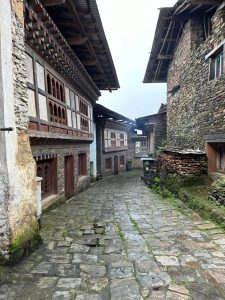 Trong, a historic heritage village nestled in the heart of Zhemgang district, stands as a living testament to Bhutan’s rich cultural and architectural heritage. Perched on a strategic hilltop overlooking the majestic Zhemgang Dzong, the village is celebrated for its remarkable stone architecture and intricate masonry craftsmanship. Many of Trong’s traditional houses are believed to predate the construction of the Dzong itself, showcasing time-tested building techniques that have proven resilient against earthquakes. Reflecting the enduring ingenuity and artistry of its people, Trong embodies the harmonious blend of functionality, beauty, and tradition. In recognition of its outstanding cultural and architectural significance, the Royal Government of Bhutan officially designated Trong as a “Heritage Village” in 2003, ensuring its preservation for future generations.
Buli Tsho
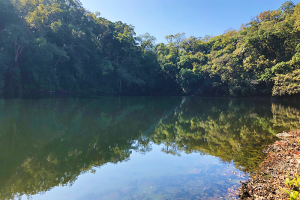
Buli Manmo Tsho is believed to be the abode of Buli’s guardian deity, depicted as half woman and half snake. Visitors are often greeted by ducks that swim across the lake, clearing fallen leaves from its surface. Local legend holds that the lake originated from Zhongar Dzong in Mongar district about 30-years ago. Renowned for its bright waters, the lake is considered a spiritual barometer – if its color turns dark or dull, it is seen as an inauspicious sign. Nangkor Block/County Administration charges a nominal fee for visitors, which is used to perform rituals and provide offerings to honor the local deity. December-August (the lake will be closed to the public from the 1st day of the 8th month – the 15th day of the 10th month of the Bhutanese calendar).
Berti Ecolodge

Nestled in one of Bhutan’s most biodiversity regions, Berti Ecolodge offers visitors an authentic experience in harmony with nature. The lodge is located near a tranquil river and serves as a sanctuary for the critically endangered White-Bellied-Heron, making it a unique destination for wildlife enthusiasts and nature lovers alike.
Designed to cater travelers, Berti Ecolodge provides a peaceful retreat at an affordable rate compared to conventional hotels. Its charming wooden cabins, crafted in traditional Bhutanese style, blend beautifully with the surrounding landscape. The lodge is also an ideal base for visitors exploring the nearby Royal Manas National Park, offering comfort, sustainability, and a genuine connection to Bhutan’s pristine wilderness.
Duenmang Tsha Chhu Therapeutic Values
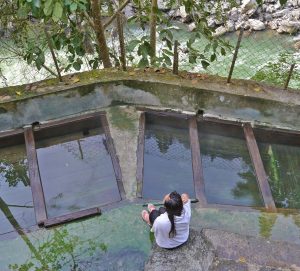
Duenmang Tsha chhu is an important destination for local visitors from across Bhutan, recognized for its natural hot springs since 1972. Duenmang Tsha chhu is well known for curing joint pains, sinusitis, skin diseases, headaches, and tuberculosis. Over the years, it has become a valuable resource for the communities of Duenmang and Gomphu villages. With the growing number of visitors, infrastructure has steadily improved with support from agencies such as the Zhemgang District Administration, Royal Manas National Park, and the Tarayana Foundation. Today, Duenmang Tsha chhu features four soaking ponds and two-story guesthouses, offering both relaxation and accommodation for travelers.
Panbang Ecolodge

Tucked away in the Himalayan foothills of lower Zhemgang, Panbang Ecolodge is Bhutan’s first jungle camp and the perfect tropical retreat for adventurer seekers. Located near Royal Manas National Park and the famous twin waterfalls, it offers an authentic experience amid pristine wilderness.
Established by the River Guides of Panbang, a community-based ecotourism group, the lodge combines a jungle-safari vibe with traditional Khengpa-Style Architecture – featuring thatched roofs crafted by local artisans. Guests can enjoy the sounds of crickets at night, sighting of elephants and hornbills along the riverbank, and the comfort of cozy cabins equipped with mosquito nets and soft bedding. Panbang Ecolodge promises a raw yet comfortable immersion in Bhutan’s subtropical wilds.
Twin Waterfall of Panbang
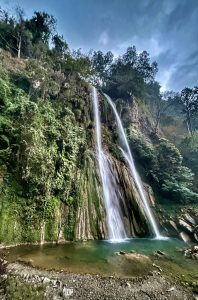
The twin waterfall, gracefully nestled along the scenic Gomphu-Panbang highway, is one of the most captivating natural attractions in Zhemgang. Overlooking the serene Mangde chhu river valley, the waterfalls exude a sense of peace and rejuvenation that draws both travelers and locals seeking a quiet escape into nature. Easily accessible from the main highway, the twin waterfall has become a favored stop for tourists, photographers, and nature enthusiasts who wish to experience Zhemgang’s unspoiled charm. Its scenic beauty and soothing ambiance make it an iconic landmark that beautifully reflects the district’s pristine and untouched wilderness.
White-Water Rafting
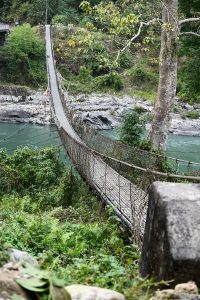
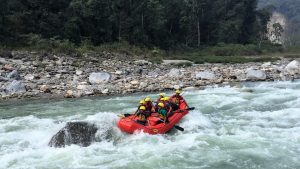
Before rafting, visitors can cross Bhutan’s longest suspension bridge built by Keiji Nishioka, a Japanese expert honored for his contributions to Bhutan’s development. The white-water rafting adventure along the Drangme chhu and Mangde chhu rivers offers thrilling class III–IV rapids, guided by skilled local river guides from Panbang. As you paddle through lush subtropical forests teeming with wildlife, the journey combines adventure, natural beauty, and cultural heritage-culminating near the Royal Manas National Park for an unforgettable experience.
Royal Manas National Park
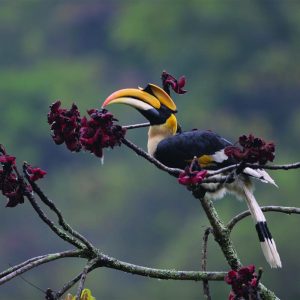
Royal Manas National Park, the oldest and fourth largest in Bhutan, spans 1,057 sq.km in the south-central region along the Indian border. Famous as the “conservation showpiece of the Kingdom,” it connects with India’s Manas Tiger Reserve and Bhutan’s Phibsoo Wildlife Sanctuary and Jigme Singye Wangchuck National Park through vital corridors. The park is a biodiversity hotspot, home to rare species such as the Royal Bengal Tiger, Asian Elephant, Golden Langur, and Hornbills. Rich in both natural and cultural significance, it offers pristine eco-tourism experiences ranging from wildlife viewing and birdwatching to community-based cultural encounters.